
AI and health data at the heart of new CONNECT partnership
Ledidi joins CONNECT to support precision cancer medicine in Norway, with a fresh focus on health data, AI, and research collaboration.

Norwegian software company Ledidi has joined CONNECT, the national consortium working to advance precision cancer medicine through collaboration between healthcare providers, researchers and industry partners.
Building research infrastructure
Founded in 2016 by two academic surgeons and three software engineers, Ledidi develops software designed to simplify the collection, structuring and analysis of clinical data used in medical research.
The company says its role in CONNECT will focus on improving the infrastructure needed to support large-scale clinical collaboration and health data sharing.
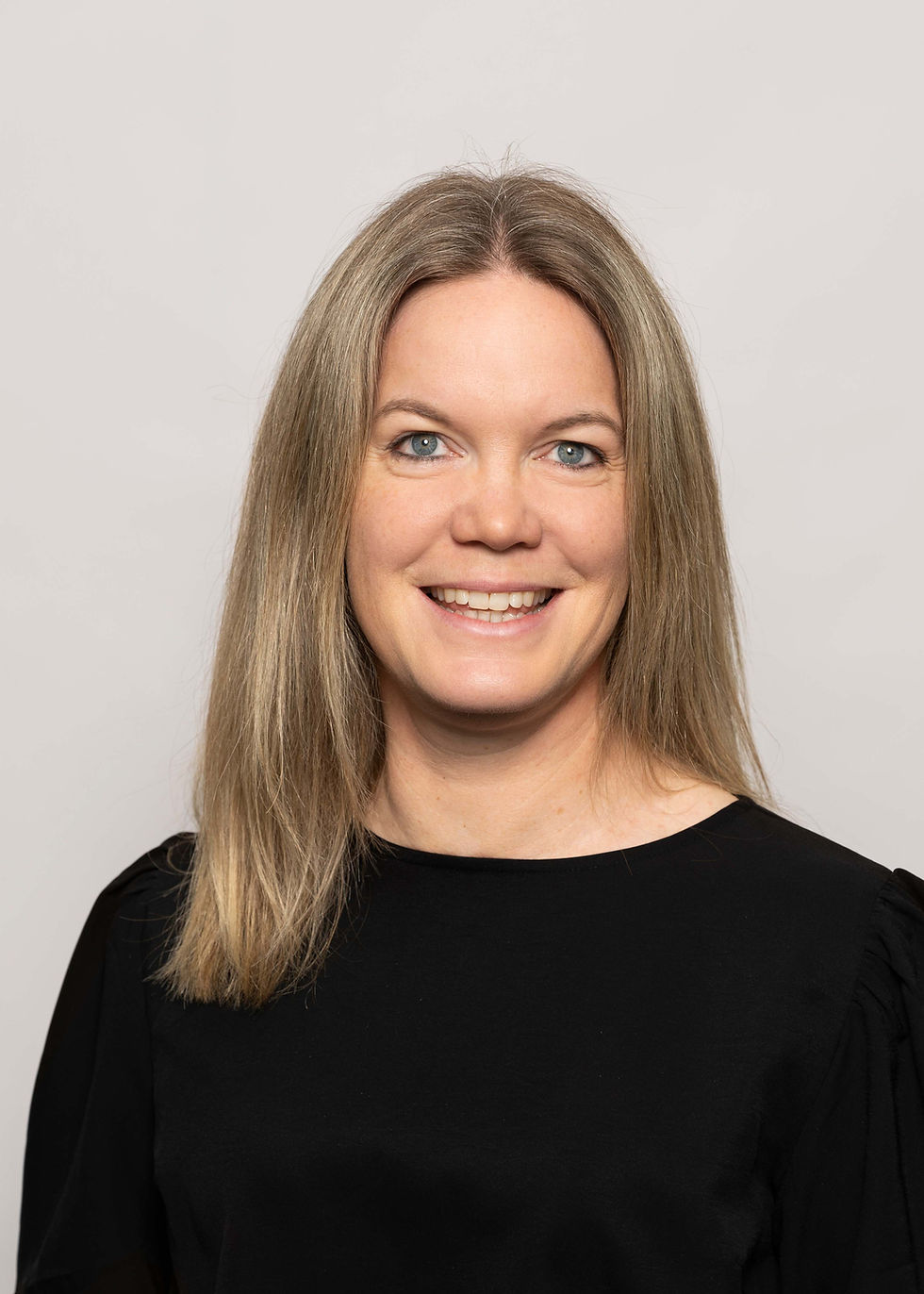
“Precision medicine depends on the ability to collect, structure and analyse clinical data across institutions and borders,” commented Einar Martin Aandahl, CEO of Ledidi. “That has been the fundamental problem we set out to solve since the beginning.”
Reducing delays in studies
According to Ledidi, one of the biggest challenges facing cancer research is the complexity of turning approved study protocols into functioning data collection systems. The company says its platform uses artificial intelligence to automate parts of that process, reducing the time needed to launch clinical studies.
“We are seeing the time from approved protocol to live study compress from weeks to hours,” continued Aandahl. “That kind of acceleration matters when you are trying to move a field like precision medicine forward.”
Collaboration across healthcare sectors
CONNECT brings together university hospitals, public health institutions, patient organisations and pharmaceutical and tech companies to improve collaboration around precision cancer medicine in Norway.
Aandahl said participation in the consortium is important because it provides a structured environment for cooperation between clinical researchers, healthcare institutions and industry.
“The reason we built Ledidi the way we did, as a platform designed from the outset for data sharing and collaboration across institutions, is that we understood early on that this is where the real work happens,” Aandahl added.
Balancing innovation and compliance
Aandahl also highlighted the importance of trust and regulatory compliance when working with health data. He explained the company’s AI tools are designed to work primarily with study configurations and metadata, rather than directly with identifiable patient records, to simplify risk assessments and speed up adoption in clinical environments.
Unlocking existing clinical data
Another major challenge identified by Ledidi is the large amount of unstructured clinical data already stored in healthcare systems, including free-text notes and legacy records that are difficult to analyse.
“The work of enriching that data and making it usable is enormous and largely invisible,” Aandahl commented. “It is an area where AI can make a genuine difference if it is applied with sufficient care for the regulatory and ethical context it sits within.”
With its entry into CONNECT, Ledidi joins a growing group of public and private organisations working to strengthen Norway’s position in precision cancer medicine and improve the use of health data in clinical research.


Comments